Analytics from User Logs Reveal Fresh Pathways for Locating Niche Genre Blends in Subscription Libraries
Gisela Krüger · Aug 13, 2026
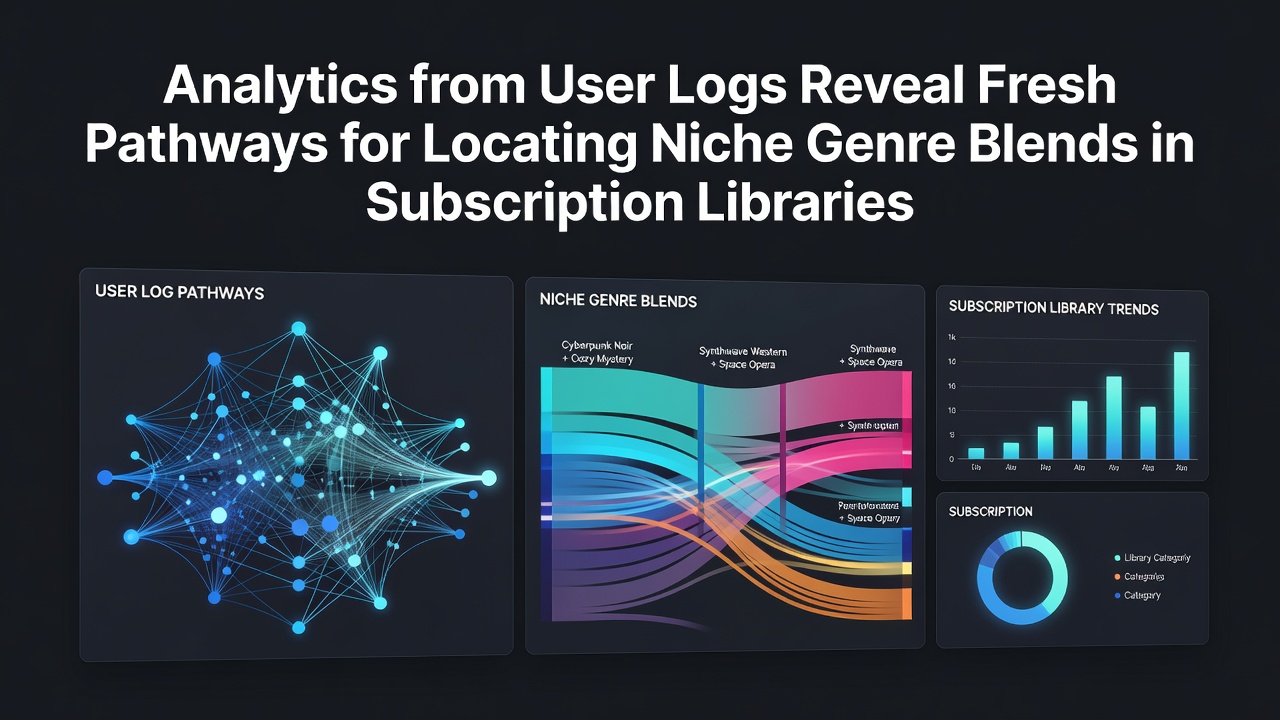
Analytics from User Logs Reveal Fresh Pathways for Locating Niche Genre Blends in Subscription Libraries
Streaming platforms collect extensive user interaction data through viewing histories, search queries, and playback pauses, and these records allow analysts to map connections between seemingly unrelated film categories such as supernatural thrillers blended with romantic comedies or historical dramas fused with science fiction elements.
Researchers at academic institutions have processed anonymized datasets from major subscription services, and the resulting models highlight how users who finish one hybrid title often explore adjacent combinations that traditional genre tags overlook. Patterns surface when logs capture repeated transitions between international productions and domestic releases, revealing pathways that surface lesser-known blends without relying on manual curation alone.
Data Collection Methods in Subscription Environments
Platforms record timestamps, device types, and session durations alongside content metadata, while aggregation tools filter out personal identifiers to comply with privacy regulations across regions. Analysts then apply clustering algorithms to group sequences of watched items, and clusters frequently expose micro-genres that combine elements from multiple source cultures or production eras. In August 2026, updates to data handling standards in several jurisdictions prompted services to refine their logging practices, which in turn sharpened the resolution of these cluster maps without increasing individual exposure risks.
One processing pipeline begins with raw event streams from millions of accounts, and subsequent steps normalize titles across language variants before calculating similarity scores based on completion rates and repeat views. Those scores feed into recommendation engines that surface niche pathways, allowing subscribers to locate experimental mixes such as animated action paired with documentary footage or regional folklore stories updated through contemporary urban settings.
Patterns Emerging from Log Analysis
Studies conducted by university research teams demonstrate that users navigating subscription libraries follow non-linear routes when they discover hybrid content, and log sequences show spikes in cross-category exploration during evening hours or weekend blocks. Evidence from aggregated North American and European datasets indicates that certain keyword combinations in search logs precede the discovery of rare blends, such as pairing martial arts sequences with musical numbers or layering mystery plots onto coming-of-age narratives. Observers note that these sequences occur more often when platforms surface preview clips drawn from multiple source regions simultaneously.
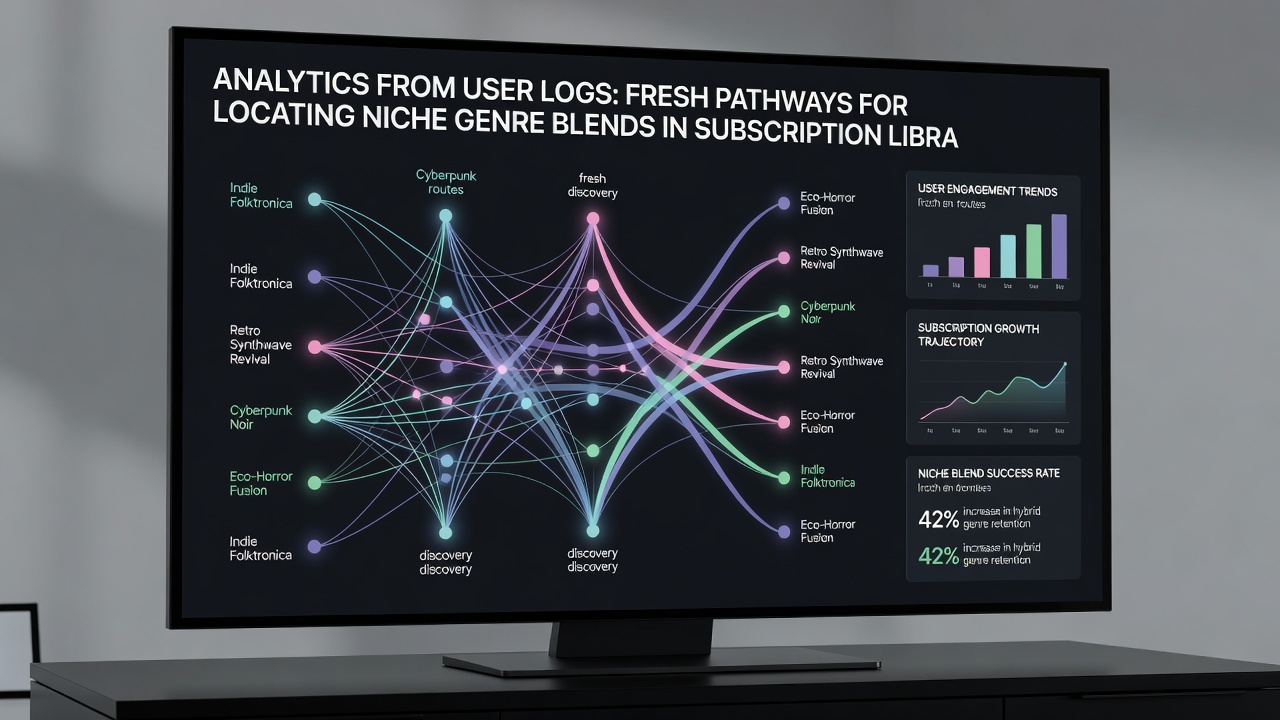
Canadian regulatory bodies tracking digital media consumption have published summaries showing steady growth in multi-genre session lengths, and the figures align with internal platform reports that credit log-driven discovery features for increased retention among viewers seeking alternatives to mainstream catalogs. Algorithms trained on these records adjust display orderings dynamically, which guides additional users toward the same blends through iterative feedback loops.
Applications for Library Organization
Subscription services reorganize portions of their catalogs based on log-derived affinity graphs, and these graphs connect titles that share thematic DNA even when official metadata lists them under separate headings. Library interfaces then present dynamic collections that update as new viewing clusters form, and the approach reduces reliance on static genre shelves that often bury experimental works. Analysts compare outputs across different geographic markets, and differences in cluster density reflect varying audience preferences shaped by local dubbing availability and subtitle timing conventions.
Industry reports from organizations monitoring audiovisual trade flows highlight how log analytics support the identification of emerging blends before they reach broader awareness, and this timing advantage lets platforms license additional titles that fit identified patterns. Those who manage large libraries use the same data streams to prioritize acquisitions that fill gaps between established clusters, maintaining freshness in the overall selection without manual guesswork.
Conclusion
Analytics drawn from user logs continue to refine the mapping of niche genre blends within subscription libraries, and ongoing refinements to processing techniques promise further precision in surfacing combinations that match evolving viewer interests. Platforms that integrate these insights maintain broader accessibility to hybrid content while operating within established data governance frameworks across multiple continents.