Charting How Predictive Analytics Curate Cross-Cultural Humor and Action Libraries on Subscription Platforms
Mia Albrecht · Aug 16, 2026
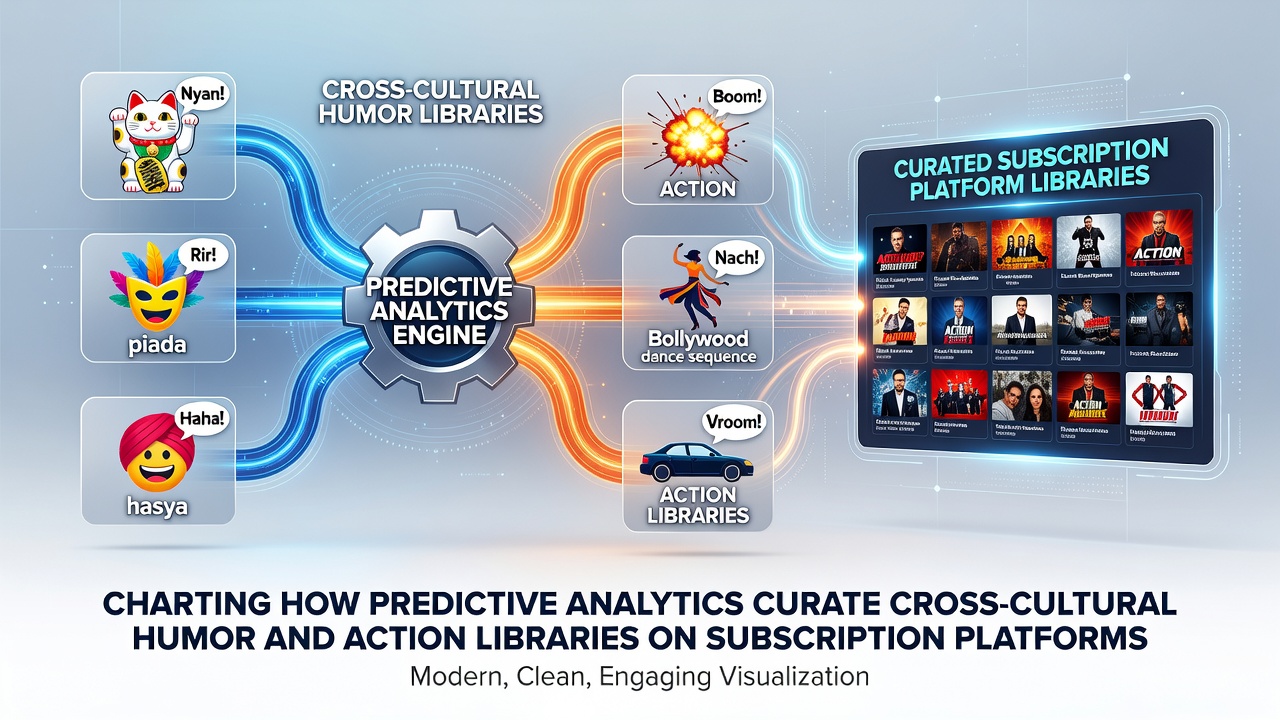
Charting How Predictive Analytics Curate Cross-Cultural Humor and Action Libraries on Subscription Platforms
Subscription platforms rely on predictive analytics to assemble libraries that blend humor and action across cultural boundaries, and this process draws on viewer behavior data collected from millions of accounts worldwide. Algorithms process watch times, skip patterns, and completion rates to forecast which titles might resonate in specific regions while those same systems adjust acquisition strategies month by month. As of August 2026 these tools have expanded to incorporate real-time sentiment analysis from social platforms, allowing curators to identify emerging cross-border preferences before official release schedules finalize.
Data Inputs That Drive Library Decisions
Platforms gather structured data from user profiles alongside unstructured inputs such as subtitle search queries and regional trending topics, then feed these streams into machine learning models that rank potential acquisitions. Researchers at institutions including the University of Toronto have documented how engagement metrics from Southeast Asian markets influence content selection for European audiences when humor elements overlap with high-action sequences. Models weigh variables like dialogue pacing and fight choreography frequency against historical performance in comparable territories, creating probability scores that guide licensing teams during negotiations.
Balancing Humor Styles Across Regions
Humor translation poses particular difficulties because comedic timing and cultural references rarely map directly from one language to another, yet predictive systems attempt to quantify these variables through linguistic pattern recognition and viewer retention curves. Action sequences receive parallel scrutiny because fight choreography and stunt pacing affect global appeal more consistently than verbal jokes, and analytics teams often prioritize films that maintain momentum even after dubbing or subtitling adjustments. Observers note that platforms test small catalog slices in beta regions to validate model predictions before wider rollout, and adjustments follow when drop-off rates exceed projected thresholds during the first week of availability.
Localization Techniques Informed by Analytics
Once titles enter the library, predictive tools recommend subtitle phrasing variations and dubbing actor selections based on past success rates in target demographics. A report from the European Audiovisual Observatory outlines how synchronization accuracy correlates with repeat-view metrics, prompting platforms to allocate resources toward titles where analytics flag high potential for cross-cultural uptake. Action-comedy hybrids receive extra attention because they combine physical set pieces with dialogue-driven humor, requiring simultaneous optimization of both elements to avoid viewer disengagement in any single market.

Regional Preference Shifts Tracked Over Time
Monthly reports generated by platform data teams reveal gradual changes in genre consumption, such as increased interest in Korean action films among Latin American subscribers or rising demand for British comedy imports in East Asian catalogs. These shifts prompt recalibration of recommendation engines so that users encounter curated mixes rather than isolated regional blocks. Predictive models also factor in seasonal events and holidays that historically boost certain content categories, allowing preemptive library expansions ahead of peak viewing periods.
Challenges in Model Accuracy and Bias Mitigation
Despite advances, predictive systems sometimes misjudge cultural nuances when training data underrepresents smaller markets, leading to over-reliance on patterns from dominant regions. Engineers address this through stratified sampling techniques and periodic audits that compare forecast accuracy against actual performance, and adjustments follow when discrepancies exceed acceptable margins. Industry groups such as the Motion Picture Association have published guidelines encouraging transparent documentation of these calibration steps to maintain equitable representation across catalogs.
Conclusion
Predictive analytics continue to shape how subscription platforms build and maintain cross-cultural humor and action libraries by converting raw engagement data into actionable acquisition and localization decisions. The integration of new data sources and ongoing model refinements supports broader access to diverse titles while platforms monitor performance indicators to sustain viewer interest across regions. As these systems evolve they remain central to the operational strategies that determine which films reach global audiences through subscription services.