Cross-Border Film Catalog Trends: How Platform Data Reveals Viewer Shifts Toward Blended Genre Releases from Major Studios
Mia Albrecht · Jun 7, 2026
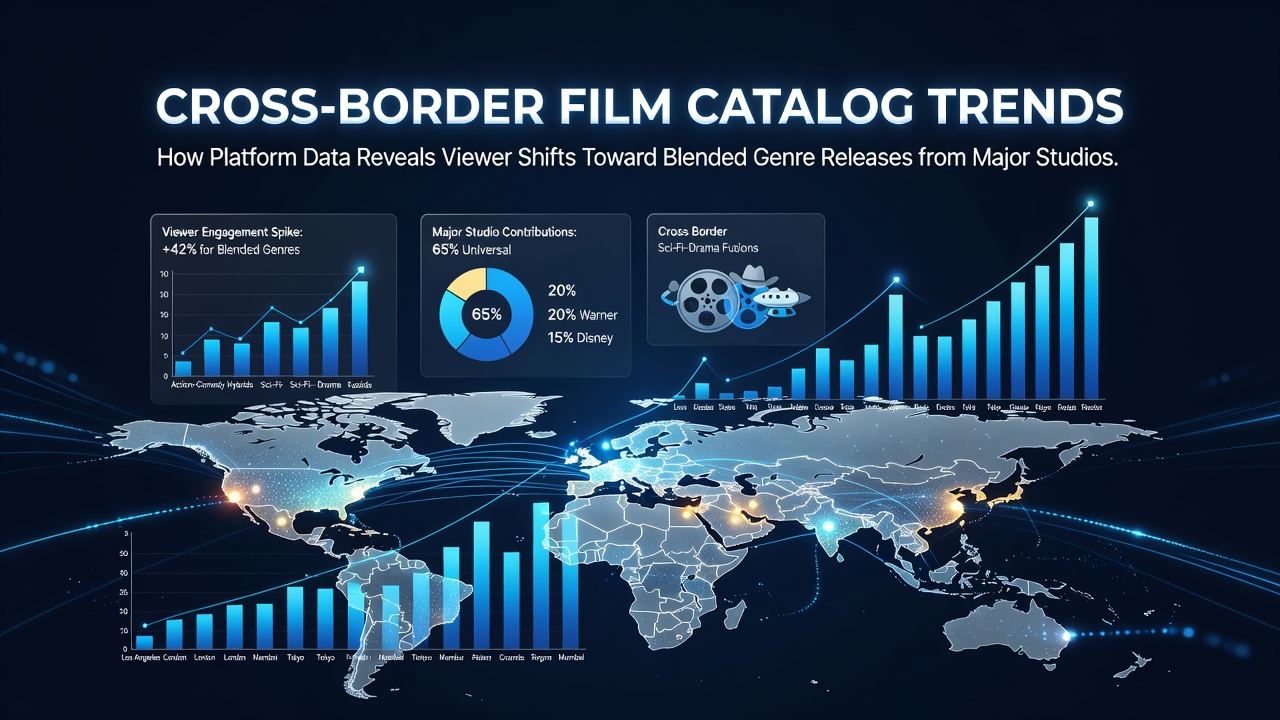
Cross-Border Film Catalog Trends: How Platform Data Reveals Viewer Shifts Toward Blended Genre Releases from Major Studios
Streaming services have expanded their catalogs significantly in recent years, and platform analytics from major providers show measurable increases in user engagement with blended genre releases from studios like Warner Bros, Universal, and Sony Pictures. Data collected through June 2026 highlights how viewers in multiple regions consume hybrid titles that combine elements such as action with comedy or science fiction with drama, while cross-border licensing agreements facilitate wider availability of these productions.
Platform Analytics and Genre Blending Patterns
Subscription video on demand services track viewing hours and completion rates across territories, and figures from services operating in Europe, Asia, and North America indicate rising selections of films that merge traditional categories. Researchers at institutions including the European Audiovisual Observatory have documented these patterns through aggregated metadata, noting that titles released after 2023 often feature narrative structures drawing from multiple genres simultaneously. Major studios release these projects with marketing campaigns that emphasize the combined appeal, which aligns with algorithmic recommendations that surface such content to users based on prior watch histories.
One study from an Australian research center examined catalog updates between 2024 and 2026, revealing that blended releases accounted for a larger share of new additions compared to single-genre films in the same period. Those who analyzed the data observed higher retention metrics when platforms promoted hybrids across language markets, as dubbing and subtitling teams adapted scripts to preserve comedic timing alongside action sequences.
Regional Viewer Shifts Documented in 2026
By June 2026, catalog performance reports showed distinct movements in viewer preferences, particularly in markets where local productions had previously dominated. Platforms reported increased hours streamed for studio-backed blends originating from Hollywood yet localized for audiences in Southeast Asia and Latin America. This shift correlates with expanded content partnerships that allow simultaneous launches in multiple countries, reducing the lag time between theatrical releases and streaming availability.
Observers note that data dashboards at these services flag blended titles as performing strongly in recommendation engines, which then influence future acquisition decisions. For instance, a science fiction adventure with integrated humor elements might appear in top charts across Canada and several EU member states, prompting further investment in similar projects from the same studios.
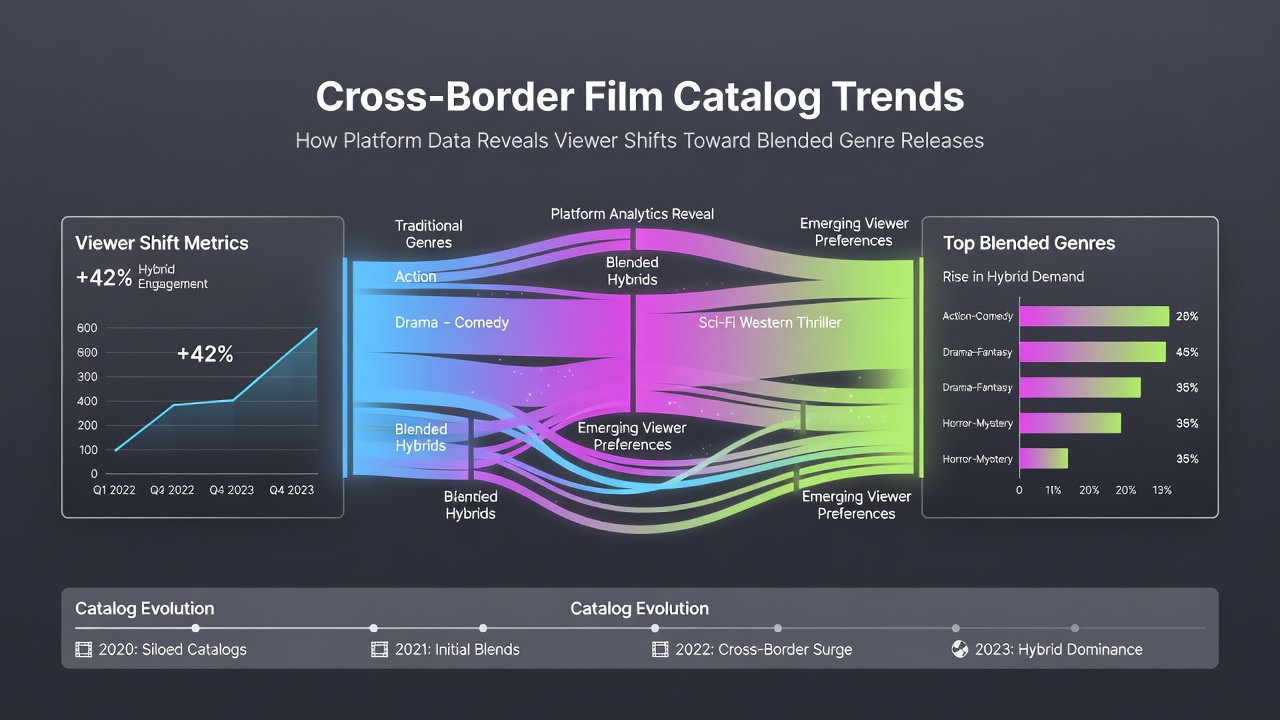
Studio Strategies and International Distribution
Major studios coordinate with platform operators to position blended releases within global libraries, and licensing data indicates these films travel more readily across borders than narrowly defined genre entries. Production teams incorporate cultural reference points that resonate in diverse markets, which platform metrics later confirm through geographic breakdowns of engagement. In practice, a single title might generate substantial viewership in its home territory while also accumulating comparable numbers in secondary regions through dubbed versions.
Industry reports from organizations such as the Korea Film Council have tracked similar trends in East Asian markets, where hybrid releases from international studios appear alongside domestic productions in user-generated playlists. These patterns emerge because recommendation systems prioritize content that maintains momentum across genre boundaries, sustaining longer session times for individual users.
Data Sources Driving the Observed Trends
Platform operators compile anonymized viewing statistics that feed into public-facing summaries and academic analyses, and these resources demonstrate consistent growth in blended genre consumption since 2024. European Audiovisual Observatory reports compile such information from multiple services to illustrate broader market movements without disclosing proprietary details. Meanwhile, academic papers from Canadian universities have cross-referenced these datasets with box office figures to map how streaming preferences diverge from traditional theatrical patterns.
Additional insights come from trade group publications that aggregate release schedules, showing studios allocating larger budgets to projects designed for hybrid appeal. The resulting films then enter catalogs equipped with metadata tags that platforms use to match them with international audiences seeking varied narrative experiences.
Conclusion
Platform data through June 2026 continues to map viewer movement toward blended genre releases, and studios respond by adjusting production pipelines accordingly. Cross-border catalog expansions support this direction as licensing frameworks evolve to accommodate simultaneous multi-territory distribution. Those monitoring these metrics expect further refinement in how services surface hybrid titles based on ongoing analysis of regional performance indicators.