Examining Data Compression Methods Used in Delivering High-Definition Bollywood Films to Global Audiences
Erik Powell · Aug 11, 2026
Examining Data Compression Methods Used in Delivering High-Definition Bollywood Films to Global Audiences
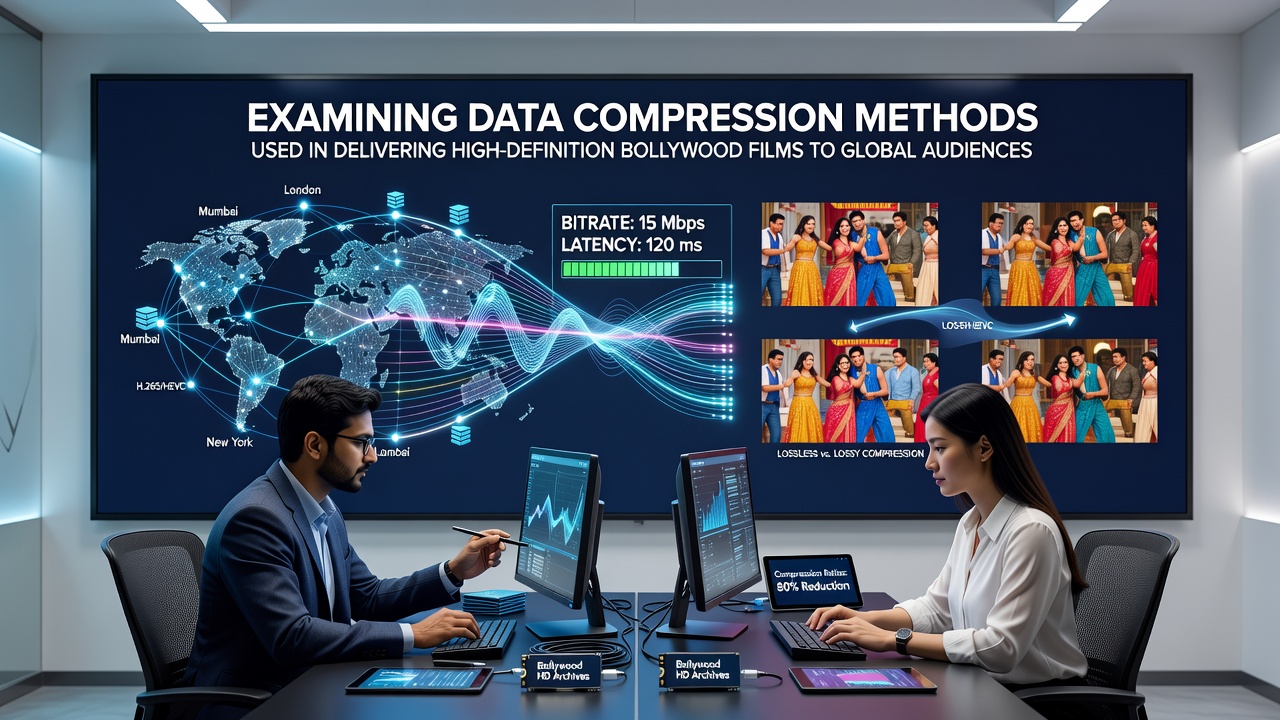
Streaming services rely on established video codecs to deliver high-definition Bollywood films across continents, and these systems balance file size reduction with visual fidelity through standardized encoding protocols. Researchers at institutions studying digital media transmission note that codecs such as H.264 and its successor HEVC form the backbone of many distribution pipelines, cutting data requirements by up to 50 percent compared with earlier formats while preserving detail in action sequences and dance numbers common in Indian cinema productions.
Core Compression Standards in Use
Industry reports indicate that HEVC, also known as H.265, handles the bulk of high-definition Bollywood content on major platforms because it supports 4K resolutions at lower bitrates than its predecessor, and this efficiency proves essential when serving viewers in regions with constrained network capacity. AV1 has gained traction since its development by the Alliance for Open Media, offering royalty-free licensing that appeals to services seeking cost-effective alternatives, while data from 2025 deployments shows AV1 achieving similar quality at 20 to 30 percent lower bandwidth than HEVC in controlled tests. Platforms integrate these codecs into encoding workflows that analyze scene complexity frame by frame, allocating more bits to high-motion segments typical of Bollywood fight choreography and fewer to static dialogue scenes.
Adaptive Bitrate Streaming Techniques
Adaptive bitrate delivery adjusts quality levels in real time based on available bandwidth, and this approach ensures uninterrupted playback for audiences in varied global locations from urban centers in North America to rural areas in Southeast Asia. Viewers receive segmented video chunks encoded at multiple resolutions, allowing seamless switches between streams without buffering interruptions, while platforms monitor connection metrics continuously to select optimal variants. Studies from Canadian regulatory analyses highlight how such systems accommodate fluctuating mobile data speeds common during peak viewing hours, and Bollywood film catalogs benefit particularly because their vibrant color palettes and rapid cuts demand consistent bitrate allocation to avoid artifacts.
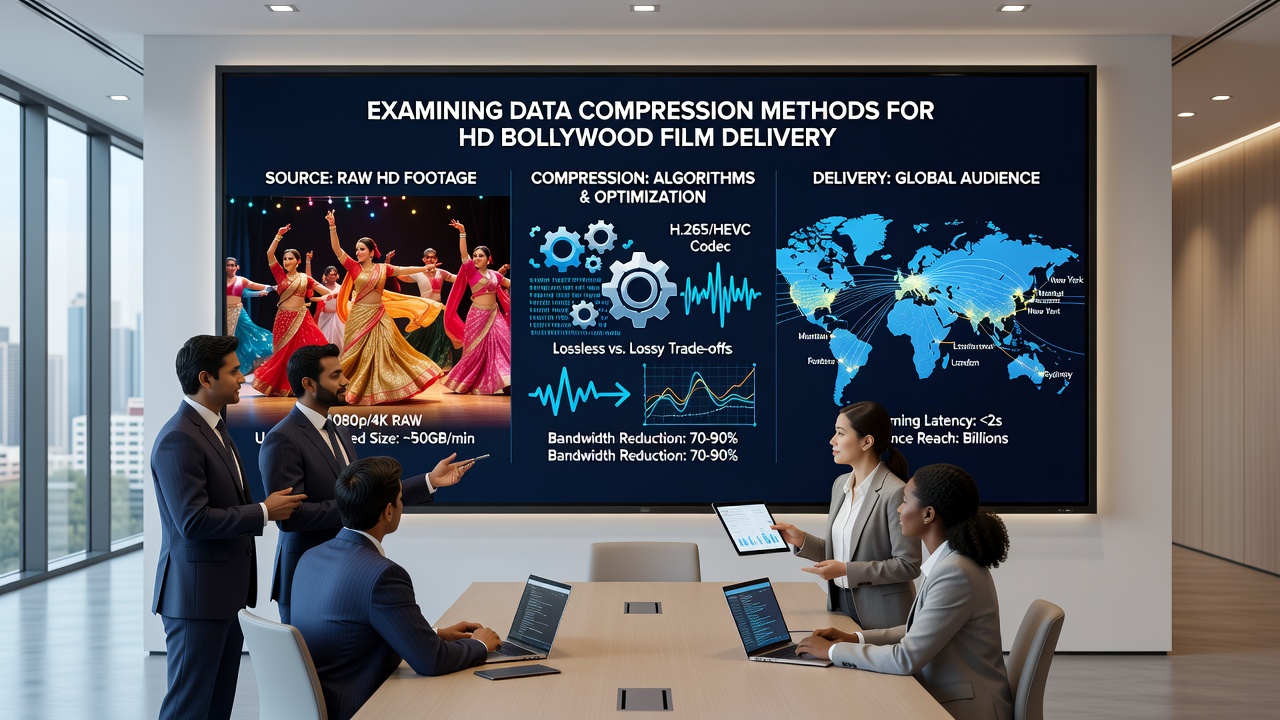
Content preparation pipelines often incorporate perceptual metrics like VMAF to evaluate encoded output quality, guiding adjustments that maintain viewer satisfaction across diverse display devices from smartphones to large-screen televisions. In August 2026 observers note increased experimentation with AI-assisted encoding that predicts optimal compression parameters per title, reducing processing times for large Bollywood libraries slated for simultaneous global releases.
Regional Infrastructure and Delivery Considerations
Global distribution networks account for latency differences and last-mile connectivity variations, and content delivery networks cache compressed files at edge servers closer to end users to minimize transmission delays. Australian communications research documents how these architectures support high-definition Bollywood streams during festival seasons when demand spikes from diaspora communities, maintaining average bitrates above 5 Mbps for HD quality. Subtitles and audio tracks receive separate compression treatment, often using Opus for sound and timed text formats that add minimal overhead, allowing synchronized delivery without compromising the primary video stream.
Emerging Developments and Efficiency Gains
Next-generation codecs under evaluation promise further reductions in data volume, and preliminary findings from European research consortia suggest potential 40 percent improvements over current HEVC implementations for complex cinematic content. Bollywood producers collaborate with streaming providers to embed metadata that informs compression decisions, highlighting key sequences requiring higher fidelity preservation. This collaborative process supports consistent presentation of cultural elements such as costume details and location cinematography across international audiences.
Platform algorithms optimize encoding ladders based on historical viewing patterns, allocating resources toward popular genres and release windows, while metrics collected in 2025 reveal steady growth in high-definition Bollywood consumption outside traditional markets. Regulatory bodies in multiple jurisdictions track these technological shifts to ensure equitable access standards remain feasible amid evolving network capabilities.
Conclusion
Data compression methods continue to evolve in response to expanding global demand for high-definition Bollywood films, integrating established codecs with adaptive delivery frameworks that address bandwidth diversity. Ongoing advancements in open standards and perceptual optimization support reliable transmission without compromising the artistic integrity of these productions, and continued monitoring by academic and industry groups tracks performance across regions. These technical foundations underpin the expanding reach of Indian cinema to worldwide viewers through legitimate streaming channels.