How Licensing Frameworks Determine Release Windows for Dubbed Action Comedies Across Major Subscription Platforms in Emerging Markets
Mia Albrecht · Aug 4, 2026
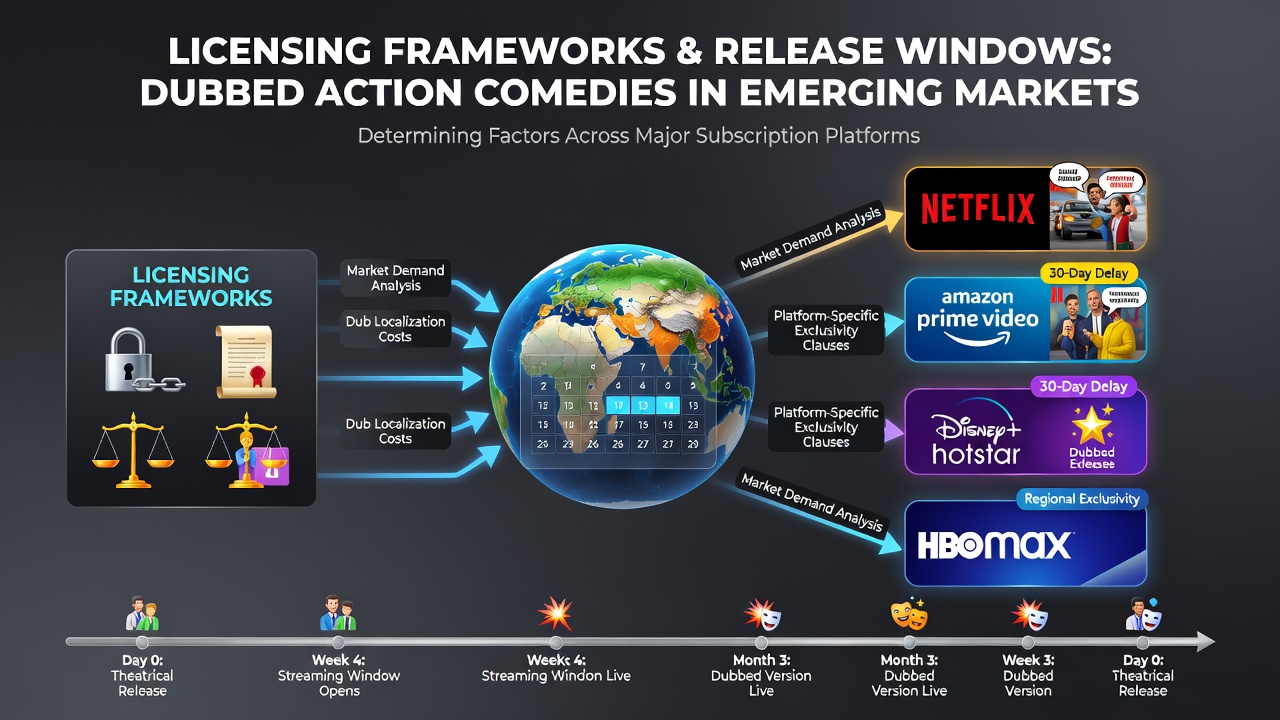
How Licensing Frameworks Determine Release Windows for Dubbed Action Comedies Across Major Subscription Platforms in Emerging Markets
Licensing frameworks shape release windows for dubbed action comedies on subscription platforms in emerging markets through territorial rights, dubbing agreements, and revenue-sharing models that platforms negotiate with studios. These frameworks establish timelines that balance global premiere dates with local market entry points, and they often incorporate regulatory requirements specific to regions such as Southeast Asia, Latin America, and parts of Africa. Data from industry reports indicate that staggered releases allow platforms to optimize subscriber acquisition while complying with content localization mandates.
Core Elements of Licensing Agreements
Agreements typically grant platforms exclusive or non-exclusive rights to distribute dubbed versions within defined geographic zones, and they specify windows that range from simultaneous global launches to delays of several months. Studios retain control over original language rights, whereas platforms secure separate licenses for dubbing into local languages like Hindi, Portuguese, or Bahasa Indonesia. Observers note that these divisions stem from contracts that factor in production costs for voice talent and synchronization, and they tie release dates to marketing campaigns tailored to each market.
Factors Influencing Release Timelines
Multiple variables determine how soon dubbed action comedies appear on services such as Netflix, Disney+, and Amazon Prime Video. Regulatory bodies in emerging markets enforce local content quotas that influence when foreign titles can premiere, and licensing deals often include clauses requiring a minimum percentage of dubbed audio tracks. Revenue projections based on subscriber growth data further adjust windows, with platforms delaying releases until peak viewing seasons align with cultural events or holidays in target countries.
Research from the OECD digital economy reports shows that competition among platforms accelerates negotiations, yet exclusive deals for popular franchises extend windows by up to six months in certain jurisdictions. Technical standards for dubbing quality also play a role, because platforms must verify audio sync before rollout to avoid subscriber complaints that could affect retention metrics.
Regional Variations Across Emerging Markets
In India, frameworks administered through bodies like the Ministry of Information and Broadcasting require platforms to secure additional clearances for dubbed content, which shifts release dates for Hollywood action comedies beyond their original theatrical windows. Brazilian regulations under the National Cinema Agency impose similar localization rules that extend timelines for Portuguese dubs on major services. Southeast Asian markets follow patterns where bilateral trade agreements between film industries influence how quickly titles reach platforms in Indonesia and Thailand, and data indicates these agreements often prioritize dubbed versions to boost accessibility.
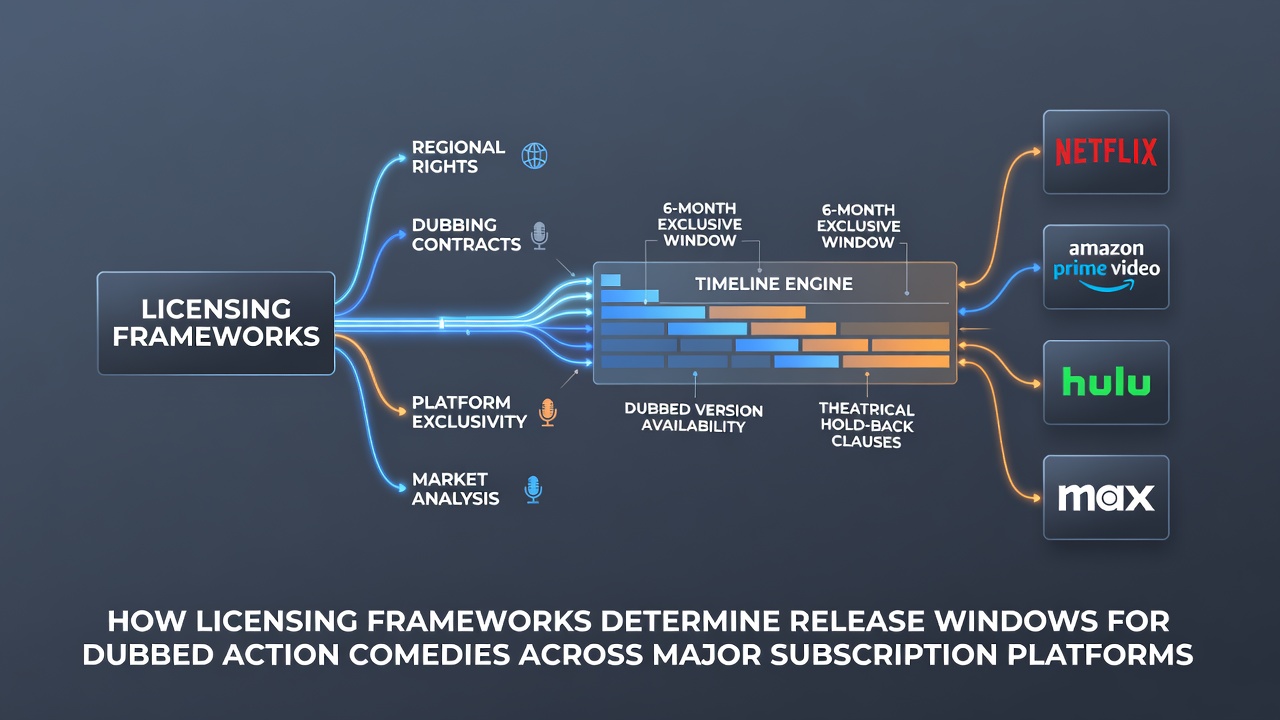
Platforms adjust strategies based on market-specific data, and in August 2026 several services plan synchronized launches of dubbed action comedy catalogs across multiple African nations following updates to intellectual property enforcement protocols. These coordinated windows reflect ongoing harmonization efforts among regional regulators that aim to reduce piracy risks while expanding access through localized audio tracks.
Impact on Platform Strategies and Content Acquisition
Subscription services evaluate licensing costs against projected viewership numbers before finalizing release schedules, and action comedies with high global appeal often receive priority for accelerated dubbing processes. Contracts frequently include performance-based incentives that reward platforms for meeting subscriber milestones tied to specific release dates. Analysts from academic institutions, including those at the University of the Witwatersrand, have documented how these incentives lead to shorter windows in high-growth markets compared with more mature regions.
Studios and platforms maintain ongoing dialogues to adapt frameworks as new technologies emerge, such as AI-assisted dubbing tools that reduce production times and allow earlier releases without compromising quality standards. Evidence from trade publications reveals that such adaptations have already shortened average windows by several weeks in select emerging territories since 2024.
Conclusion
Licensing frameworks continue to dictate precise release windows for dubbed action comedies through a combination of contractual terms, regulatory oversight, and market-driven adjustments. Platforms operating in emerging markets rely on these structures to navigate complex rights landscapes while delivering localized content to expanding subscriber bases. As frameworks evolve with new trade agreements and technological advances, release timelines will reflect ongoing shifts in how global studios and regional services coordinate distribution.